
Tactile has to do with the sense of touch. Dipping your hand into cool water is tranquil. Think of your favorite memories involving touch. I have many. One was walking barefoot through a freshly tilled field and digging my toes into the warm soft dirt. Another was sitting on the sofa and rubbing my grandfather’s head. He loved this and would often request it. I loved him too much to ever say I would rather be outside playing. That same love connected us as he lay in a hospital bed and made the same request. I pulled my chair close and wondered how many times will I have left to express my love in his love language.
Alzheimer’s disease often robs people of their fine motor skills. Activities they once enjoyed become a struggle. Opt to put together puzzle with larger pieces rather than small ones. I was able to find puzzles adults can enjoy with a smaller number of pieces and larger size. I avoided puzzles labeled for dementia. The person may still be able to read and feel ashamed or embarrassed. Be sensitive to this please.
Ask them to assist you and assign them simple task that don’t really matter. Let them fold towels and washcloths. Let them match socks. If they get it wrong no harm is done. They still feel needed and productive. Just consider what they can do safely, and ask them to help.
In prepping food let them tear the lettuce for a salad. You chop the veggies and let them arrange them in a salad or platter.
When presenting food, peel their orange before serving it. Just think of what you would serve a toddler. This can be done in a way that preserves their dignity. Prepare your own snack to look like what you serve them.
My mom loved pretty clothes. She struggled with buttons and zippers in the early stages. This ususally happens later for most people. It depends where plaque forms in the brain. We moved to pull on tops and pants without zippers. That was quite an adjustment for her. Thankfully, the local mall had a store that carried a line of beautiful clothing the she liked and it laundered easily. Then one day we had to replace the beautiful clothing with simple gowns that made life easier for caregivers who had to bath and change her.
When someone has dementia they may forget what to do with a hairbrush, comb or toothbrush. This is when you need to offer tactile cues. Please visit the following link to see this demonstrated. https://www.dementiacarecentral.com/video/hand_under_hand/#:~:text=This%20video%20clip%20shows%20how%20to%20use%20tactile,are%20also%20important%20%28time%3A%201%20minute%2030%20seconds%29.
Another thing you may face is how to handle inappropiate touchs. I was volunteering one day and had a new necklace on. It was a large flower and I was so grateful I had it on. A gentleman approached me with his hands extended toward my chest. I quickly took his hands, moved them to my necklace and asked if he liked it. The nurse who witnessed this action hid a smile but her eyes were dancing. Later she complimented me on my quick thinking.
Physical touch can be accomplished with ease once you observe and find what is comfortable for the person with dementia. I often take hand lotion with me on visits. No one refuses a massage of their hands and fingers as I talk quietly with them and rub the lotion in. Often a hug is appreciated. Hug from the side when possible. Ask if they would like a hug. Remember the above story and be careful! Many times a person with dementia and their caregiver need physical touch to remind them they they are loved.
Ladies love manicures. You never know how much your kindness means.
Touch sensitivity can be lowered. This can make it hard to sense pain or temperature, which can pose potential safety risks. They may not realize how hot or cold an item is. They may not feel pain from a small cut. Pay attention to their skin.
I know a man who refused to shower. His daughter questioned him about why he wasn’t taking a shower. He finally admitted that he could not adjust the water temperature right. The simple solution was for him to ask for assistance in turning the shower on. After showering he could step out and ask for assistance turning the water off. He could have been confused about how to control the shower handles or he could be sensing the water temperature differently than he had before. Sometimes it takes a little investigative work to discover the real problem. Others may refuse to shower because the water hitting their skin feels different.
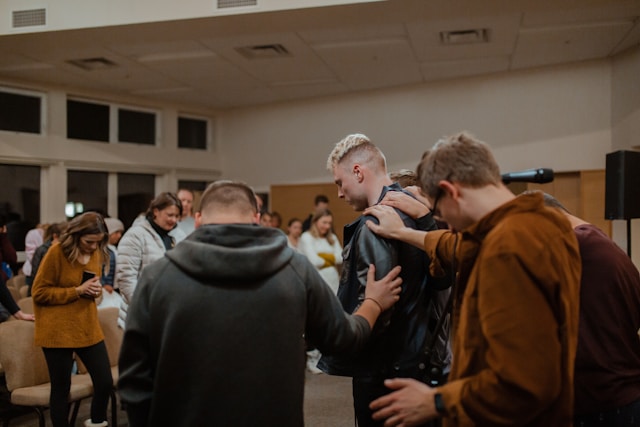
I cannot discuss touch without mentioning how important spiritual touch is both to the caregiver and the person with dementia. Turning to God is a choice the caregiver makes. Reminding the person with dementia that God loves them is so important. Listen to music, read the Bible together. Pray together. Allow friends and family to be included in these activities.
Word for Today
Therefore, as God’s chosen people, holy and dearly loved, clothe yourselves with compassion, kindness, humility, gentleness and patience.
Song for Today
Prayer for Today
Dear God,
It is good to sing your praise. We join hands today and reach for yours. Touch our hearts and reassure that your love is eternal.
Amen
 Walking Them Home