Two posts for one today. I just wanted to add this post before the end of the year. This is a time I have set aside to celebrate the birth of Christ and the upcoming anniversary with my husband. My mind is racing with what the future holds.
We were so young when we began this journey of life together. Reflecting over the years we realize there have been too many times we put things off until later. At our age, later is here. Leading a caregiver support group means hearing a lot of stories that ring true for us. Too many of my caregivers talk about the plans for their retirement years that unraveled due to Alzheimer’s invading their life.
We are choosing to do a few of the things we enjoy that we can afford to do.
slow down and enjoy sunsets
sit by the firepit and watch meteor showers
fish on a pretty day
garden
tend our sheep
visit with our friends
take a drive in the country
volunteer
eat when hungry….sleep when tired
You get the idea. We have a lower income now so we are learning to be content with what we have. All of us look ahead and face a question. How long do we have? Make the most of your time.
Caregivers have an uncertain future with their spouse. My dad learned to put my mom’s makeup on. Another man I know bought his wife who was in the late stage of Alzheimer’s a doll. Every night he tucked the “baby” in after she kissed him goodnight. Your love for each other will not die. You just learn to express it in a different way.
Sometimes the unexpected changes hold hidden blessings. Look for your blessings.
Recently, I spoke to my own church about how they could become more dementia friendly. This included information on how to come along side families and meet their needs as well as learning how to communicate and relate with the person who has dementia.
This type of training allows people to visit someone with dementia in their home without being afraid of the unknownand feeling uncomrtable. Isolation is not good for the person with dementia or the caregiver. They need to have people in their lives to comfort and encourage them. They need friends who can step in and offer respite care. Offering to stay with the one with dementia requires taking time to understand where they are in their journey and adjust to meet them where they are. True love is stepping up to the plate even if it makes you uncomfortable.
Do not ask a caregiver ,”What can I do for you?”. Use your observation skills. Does the lawn need mowing? Do light bulbs need changing? Think of practical things that they may need assistance with. Bring a meal over. Offer to change their car oil. Plant flowers in the flowerbeds.
We can all find a way to help.
The second part was about how we can meet their needs when they attend a church service. It takes a huge effort for the caregiver to actually get someone with dementia ready to go anywhere. Often there are clothing changes due to accidents. You only cause behavior issues if you rush to get ready. Confusion and crowds play into the equation as well. Both people will arrive tired.
Can someone who has served as an usher still serve with mild cognitive decline? Can this person still sing in the choir? Can this person still teach a Sunday School class? The answer to each of these questions is yes! They may need an assistant, but they can still find a purpose as long as possible.
Yesterday I watched an elderly gentleman follow a group onto the stage for a music special. He was seated and given a paper to follow along and he sang. I was moved to tears because I am pretty sure he had mild dementia.
If someone is on a walker, offer to visit with them at the door while the caregiver brings the car to the door. When friends come over to speak to the caregiver after service engage the person with dementia while their spouse shares a few moments with friends. If you notice a caregiver step out to go to the restroom, move over and sit with their loved one so they do not get afraid.
We can be the love that enters someone’s loneliness.
He answered, “‘Love the Lord your God with all your heart and with all your soul and with all your strength and with all your mind’; and, ‘Love your neighbor as yourself.’”
Song for Today
Prayer for Today
Heavenly Father,
Show me how to love as you love. Open my eyes to the needs around me and give me the compasssion to meet those needs.
Feeling annoyed or drained, acting confused or frustrated, and not being able to make decisions could be signs of overstimulation in adults. That is what can happen to any of us whether we are the caregiver or the person with dementia.
I have overscheduled many times in the past during the holiday season. Sewing 30 angel costumes in one day, forgetting to eat due to cleaning all day, staying up late to finish painting a toy train and traveling for 10 hours with a three week old and twenty month old days before Christmas are a few of examples that come to mind.
Wisdom comes from experience. Thankfully, I learned to slow things down when my mom got Alzheimer’s disease. Christmas was still celebrated. It was just celebrated in a calmer manner. I had noticed as my parents aged that they avoided loud and rambuncious games played by the younger adults and grandchildren over the holidays. They tended to visit in another room with the youngest grandchild. This caught my attention, so I already knew we needed to make a few adjustments.
We planned carefully to prevent overstimulation. Loud music, bright lights and even laughter of children can be frightening for someone with dementia. I was visiting my mom in the facility she was living in during the late stage of Alehimer’s. I could hear a large group of carolers coming down the hallway. They were going door to door and singing. I sensed mom was getting tense, so I quickly stepping into the hallway and asked that only one or two stand in her doorway and the rest of the group sing in the hallway. They had no idea that a sudden rush of people into her room would cause anxiety that would take hours to go away. Instead, they did as I had asked and a smile was on her face as she listened.
You can participate in joyful activities if you plan ahead and let your family members know what would work best in your situation. Maybe the family come in small groups. One could read a Christmas story or sing softly with their loved one. Bring cookies to munch on together. No one I have ever met with Alzheimer’s can resist sweets.
A recent family picture to hand on the wall makes a great gift. If they don’t remember your names, that doesn’t matter. You can write your names on the photo. Include a We Love You. The important thing is they see those words. The most treasured gift is a hug, a held hand, a smile and words of kindess. Avoid asking do you remember. Tell them about the most fun you have ever had with them. Tell them how they have made a difference in your life. Share about what you have going on in music, school, sports or work. They are always listening, even when you think they aren’t.
Simplify the holidays. Slow down. Listen to O Holy Night. Thank God for his gift of Jesus. Sip a cup of hot cocoa. Allow peace to reign in your heart. Have yourself a merry little Christmas.
He got up, rebuked the wind and said to the waves, “Quiet! Bestill!” Then the wind died down and it was completely calm.
Song for Today
Prayer for Today
Dear God,
I come to you with a thankful heart. I am a caregiver and some days are challenging, I still have a hand a hold. I know that change will come as I see skills being stolen by dementia. Give me the ability to treasure our memories and to love well on this journey. Allow this Christmas to be focused on the peace you give us. Calm the storms of this busy world and quiet the loudness so we can celebrate you.
As a couple, my husband and I can communicate with each other with a certain look or touch. We have honed these skills during our 45 years of marriage. Just snuggling together or holding hands doesn’t always require words. When we first began dating we were with a group sitting around a campfire. He snuggled close and put his arm around me. Instantly, I felt at home. This was just the very beginning of moments, days, months and now years that wrapping an arm around me and holding me close have been home.
Should either of us ever develop dementia and roam around repeating, “I just want to go home” what will we really mean. I know most people just want to go back to what feels safe and familiar. Maybe our home will continue to be snuggling together where it has been safe and familiar our entire adult life.
Daily I praise God for allowing both of us to still have strong minds. Muscle strength has weakened, hairs have grayed and we search for our reading glasses to prevent eyestrain. We may not be able to recall someone’s name, but then it comes to us so normal aging is happening.
This afternoon as I write my hubby is strumming his guitar and writing a new song. Our hobbies keep our minds active. We love being outdoors with the dogs, chickens, bees and sheep. We are building a firepit area to entertain friends.
Our hope is that living in the moment intentionally and trusting God with our future will mean we never have to face dementia. We know that God will continue to be faithful. He has seen us through deep dark valleys and allowed us to rejoice from the highest of mountain tops. Should dementia come, we are assured that God will never forsake us.
Some of you have had to face dementia in a spouse. I hear your stories in our support group. I pray for you to still find moments each day where you and your loved one can still connect. Maybe a favorite song will draw you close. Perhaps a drive to one of your favorite spots will bring peace. Take every opportunity to have physical contact. This can be holding hands, hugging, or giving a gentle massage.
During the upcoming Christmas season play carols, eat Christmas cookies, drive around and look at the lights. Rediscover the simple joys. Large gatherings should be avoided but quiet visits with a few people at a time can still bring happiness.
Never quit saying “I love you”.
Most people my age made vows to love and cherish their spouse in sickness and in health until death. As a young couple we make that promise. Life happens and those promises are not so easy to keep. We make a choice to keep that promise and discover God has to give us the courage and strength to walk it out. The greatest honor you can have is to be the one who stands by that promise.
God sees your loneliness and struggles. He sees the tears shed when no one else is looking. Trust him to walk beside you in sickness and in health.
“A new command I give you: Love one another. As I have loved you, so you must love one another.
Song for Today
Prayer for Today
Dear Heavenly Father,
May I always find my home is being with you. When my spouse doesn’t remember my name please let them know my love. Show me how to express my love ina way that they can feel. Help me to keep the promise I made on our wedding day.
Parkinson’s dementia is closely related to Lewy Bodies dementia.
Studies have found LBD and Parkinson’s disease may be linked to the same underlying abnormalities in the brain processing of alpha-synuclein. LBD and Parkinson’s disease dementia are similar except for the order in which the symptoms develop.
The timing of when symptoms occur may determine which diagnosis a person receives. If thinking problems appear within a year of movement difficulties, doctors diagnose Lewy body dementia. If dementia develops a year or more after Parkinson’s disease symptoms begin, doctors diagnose Parkinson’s disease dementia.
Common symptoms of Parkinsons with dementia include:
Sofly spoken muffled speech
Misnaming objects
Trouble understanding complex sentences
Difficulty focusing
Memory loss
Confusion
Moodiness
Change in appetite
Delusions
Change in energy level
Sleep disturbances ( vivid dreams)
Vision issues like difficulty spotting objects in a cluttered space.
Trouble planning and staying on task
Language challenges
This list may be alarming at first. Remember that changes occur over time. Always remember that the person is not acting out; however, the disease is. Here are ideas to assist in caring for someone with these behaviors
establish and follow a routine when possible
being extra comforting and patient
limiting distractions and avoid crowds
try to maintain a consistent sleep schedule
declutter your living space
learn all you can about Parkinsons dementia
Join a support group
Keep a journal of behavior changes, dels]usions, nighttime disturbances, etc. This will help you when speaking with physicians. Log all medication changes as well.
I know a family dealing with this dementia and have watched them make adjustments. Their family members have had police show up in the night because he called and reported someone had broken into their home. Now, he has taken to roaming around partially clothed. Recently he heard my voice as someone was listening to me speak on a recording. He told them that sounded like someone I know. He then tried to remember my name but could only come up with my husband’s name. He referred to me as his person.
Be calm. Be patient. Allow them to try to communicate and try to interpret what they are trying to say. As far as the police calls, most law enforcement departments now have a data base that contains information you provide alerting them that a family member at your address has dementia. This can allow them to have a mental health officer available. For the other issue, just close your blinds.
Take a deep breath. You can do this. When things become difficult, step away for a few minutes and try a new approach. If you read through previous posts you will find other helpful information. Many of the behaviors and symptoms are similar with all forms of dementia.
Be strong and take heart, all you who hope in the Lord.
Song for Today
Prayer for Today
Dear God,
Thank you for being faithful. There are days I feel like the battle will not end. On those days that I struggle to stand on hope, hold me as I wait on you to move on my behalf. You are the only thing I have that is always true. Help me to be able to say “It is well with my soul”.
Alzheimer’s disease has many early signs such as memory issues. The mental cognition has a slow decline over time. Lewy Body is not so predictable. I experienced this first hand. My mother had Alzheimer’s disease. We thought that my mother-in-law had vascular dementia and no one tested for Lewy Body disease. As I educate myself about LBD, I tend to lean heavily to the thought that she had it.
Lewy Body Disease (LBD) is a progressive briain disorder. Alpha-synuclein is a protein found in the brain. When these clump together it is known as Lewy bodies. Cells normal function is interrupted resulting in cognitive decline, hallucinations, delusions, sleep disturbances and motor issues.
I saw signs of cognitive issues but they were vastly different than Alzheimer’s. Her memory was pretty much intact. She would appear perfectly normal one day and confused the next. Her essential tremors ramped up. Most of the families members did not see symptoms in the early stage.
She would insist that someone had told her they would take her shopping and be upset when they did not show up. She would attempt to bake a cake and leave the flour out. She developed paranoia. She loved football and watching her favorite team. She would cheer over a play and then cheer again over the replay or go to the kitchen and never return to finish watching the game.
Then when her spouse passed away things escalated quickly. A huge delusion caused us to have to move her to an assisted living facility. Once there she often called to give me detailed accounts of visitors who were never there. Her hallucinations were described in full living color. She would be very convincing in her stories.
We experienced capgas syndrome. This is a psychiatric disorder where she held a delusion that we had been replaced with imposters. We would go visit and she would tell us who we were supposed to be but we were not real. We were imposters who looked, acted and sounded like us. Try explaining that one! Some day the chef or nurse were imposters as well.
A bouquet of flowers brought her joy. One day a lion was in the flowers. The next day monkeys were in the flowers. When I went to visit, a dancing lady was in the flowers. Before we all got stressed out, I decided the flowers were wilting and needed to be disposed of. A nurse smiled as I deposited them into the trash. Apparently she had be informed of the busy bouquet.
Falls became more common.
She became less social.
The whole experience was very different than the one with my mom. I truly wish I had known more while my mother-in- law was alive. We did the best we could.
I highly recommend a book if you suspect your loved one may have LBD.
Living with Lewy’s by AmyJ Throop and Gerald S Throop. It opened my eyes to many things. Hopefully, you can get information that helps you. Don’t give up when seeking a physician that can give you a diagnosis other than mild cognitive decline.
Don’t give up. You are learning and improving as a caregiver each day.
For the Lord grants wisdom! From his mouth come knowledge and understanding.
Song for Today
Prayer for Today
Dear God,
I thank you that I can rest in you on the days that are hard. Give me wisdom as I help my loved one struggling with reality. Give me courage. Give me strength to trust you.
Tactile has to do withthe sense of touch. Dipping your hand into cool water is tranquil. Think of your favorite memories involving touch. I have many. One was walking barefoot through a freshly tilled field and digging my toes into the warm soft dirt. Another was sitting on the sofa and rubbing my grandfather’s head. He loved this and would often request it. I loved him too much to ever say I would rather be outside playing. That same love connected us as he lay in a hospital bed and made the same request. I pulled my chair close and wondered how many times will I have left to express my love in his love language.
Alzheimer’s disease often robs people of their fine motor skills. Activities they once enjoyed become a struggle. Opt to put together puzzle with larger pieces rather than small ones. I was able to find puzzles adults can enjoy with a smaller number of pieces and larger size. I avoided puzzles labeled for dementia. The person may still be able to read and feel ashamed or embarrassed. Be sensitive to this please.
Ask them to assist you and assign them simple task that don’t really matter. Let them fold towels and washcloths. Let them match socks. If they get it wrong no harm is done. They still feel needed and productive. Just consider what they can do safely, and ask them to help.
In prepping food let them tear the lettuce for a salad. You chop the veggies and let them arrange them in a salad or platter.
When presenting food, peel their orange before serving it. Just think of what you would serve a toddler. This can be done in a way that preserves their dignity. Prepare your own snack to look like what you serve them.
My mom loved pretty clothes. She struggled with buttons and zippers in the early stages. This ususally happens later for most people. It depends where plaque forms in the brain. We moved to pull on tops and pants without zippers. That was quite an adjustment for her. Thankfully, the local mall had a store that carried a line of beautiful clothing the she liked and it laundered easily. Then one day we had to replace the beautiful clothing with simple gowns that made life easier for caregivers who had to bath and change her.
Another thing you may face is how to handle inappropiate touchs. I was volunteering one day and had a new necklace on. It was a large flower and I was so grateful I had it on. A gentleman approached me with his hands extended toward my chest. I quickly took his hands, moved them to my necklace and asked if he liked it. The nurse who witnessed this action hid a smile but her eyes were dancing. Later she complimented me on my quick thinking.
Physical touch can be accomplished with ease once you observe and find what is comfortable for the person with dementia. I often take hand lotion with me on visits. No one refuses a massage of their hands and fingers as I talk quietly with them and rub the lotion in. Often a hug is appreciated. Hug from the side when possible. Ask if they would like a hug. Remember the above story and be careful! Many times a person with dementia and their caregiver need physical touch to remind them they they are loved.
Ladies love manicures. You never know how much your kindness means.
Touch sensitivity can be lowered. This can make it hard to sense pain or temperature, which can pose potential safety risks. They may not realize how hot or cold an item is. They may not feel pain from a small cut. Pay attention to their skin.
I know a man who refused to shower. His daughter questioned him about why he wasn’t taking a shower. He finally admitted that he could not adjust the water temperature right. The simple solution was for him to ask for assistance in turning the shower on. After showering he could step out and ask for assistance turning the water off. He could have been confused about how to control the shower handles or he could be sensing the water temperature differently than he had before. Sometimes it takes a little investigative work to discover the real problem. Others may refuse to shower because the water hitting their skin feels different.
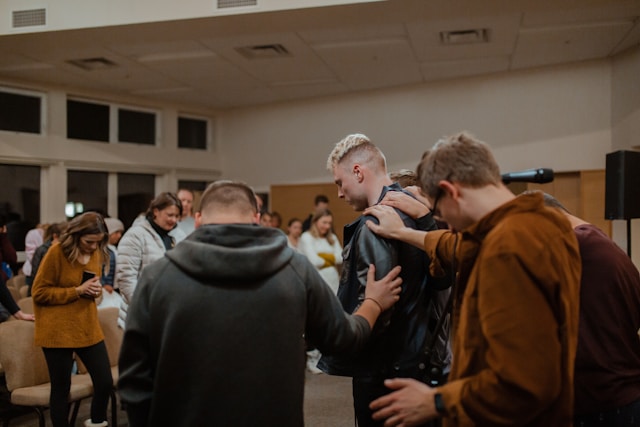
I cannot discuss touch without mentioning how important spiritual touch is both to the caregiver and the person with dementia. Turning to God is a choice the caregiver makes. Reminding the person with dementia that God loves them is so important. Listen to music, read the Bible together. Pray together. Allow friends and family to be included in these activities.
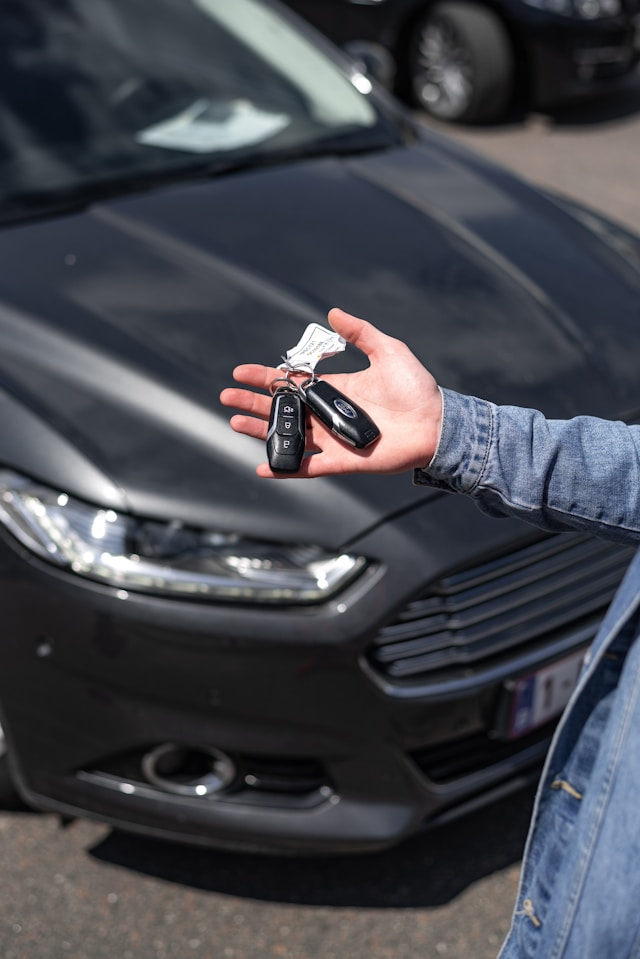
Before we tackle the issue of taking the car keys, we will explore why it is so critical to do it.
An abnormal build-up of proteins in the brain that kills cells and damages connections between neurons is a result of Alzheimer’s disease. Most people are aware of symptoms such as confusion, memory loss, personality changes and other kinds of cognitive decline. Some lesser known symptoms can include visual problems. Trouble areas are spatial relationships, narrowing periphial vision and depth perception. Some patients develop trouble reading, following moving objects, or have problems with contrast.
Driving requires having great vision. Imagine driving in traffic without having the ability to judge distance. Take away your peririphial vision. Stop at a red light with no depth perception. Now remove the abilty to read and process trafiic signs. I can see red lights and hear sirens in my head now especially having spent 22 years navigating traffic in a large city.
A fender bender would be a blessing. What if a child ran in front of the car and you did not see them coming. Could you live with the horror of hitting that child? No one wants that. The independence of an adult driver with dementia is never worth the life of a child. Take time to let this scenario to sink in. Now think about how fast this stress would escalate the person with dementia’s decline.
Getting lost is not the real problem. We can track phones and vehicles now. There may be hours of crying and praying but technology is available to help locate a lost loved one. Recently, I was traveling home from the city. Our farm is just ten miles from the state line. A car was moving at about 15 miles per hour in a 45 zone. Cars were changing lanes and zipping by. I slowed as I passed and glanced over. A white haired woman was looking around as if lost. I pulled over at a gas station. My plan was to get behind her and call 911 to come. Amazingly, she pulled over at the same station. I watched as she pulled out her phone. I slowly approached her car and tapped on the window. When she opened it she was already talking to her son. I asked if she was alright. She informed me that she was talking to Rick as if I knew Rick, I asked if Rick was her son. She said yes. I asked to talk to Rick. He informed me that his mother was supposed to be at a doctor appointment. I had him tell her to follow me and led her back to the appoinment.
She lived three counties away and was a few minutes from being in another state! God placed me in her path that day. When she never returned from the appointment, a family would be frantically trying to find her.
Hopefully, I have your full attention now. Take the keys for everyones safety.
There are things to consider now that you understand the visual changes. If a person tends to wander, this gives you knowledge. Place a black mat in front of exterior doors. Many perceive this as a hole and will avoid it. Add a lock at the top or bottom of the door. They tend to just focus on the handle. Paint the door the same color as the wall. It works as camoflauge.
If you go read the previous post on meals, the placement of food on plates may make more sense when you know that visual changes occur. To help navigation in your home declutter. Simplify decor to create a calmer enviornment for them.
Some visual skills may sharpen. They will read your facial expressions like a pro. Your stress will be reflected back because they can tell when you are angry or irritated with them.
They will see people and things you do not see. The woman in the mirror that she sees may not be her. She may think it is a stranger in the home. These things occur and it is their reality. Cover the mirror if it becames a huge issue. Agree that the non existing cat on the sofa is cute. My mother-in-law called to tell us a lion was in her flowers in her room. We thought maybe she saw the petals as a mane. The next day she called to tell us a fairy was dancing in the flowers. She was known to have delusions so we went to visit. Upon arriving she informed us a lady was in the flowers.
Promptly I commented that the flowers were drying out and needed to be tossed. We promised to bring new ones the next visit. I passed a nurse on the way to the trash can. She laughed when she saw me. She had been having to look for animals and people in that bouquet too.
If you just saw a monkey in the flowers, maybe you should get tested. Hey, I couldn’t resist. It is Saturday, and we all need a little humor.
In the same way, let your light shine before others, that they may see your good deeds and glorify your Father in heaven.
Song for Today
Prayer for Today
Dear God,
I praise you for the many times I have seen you in my life. Your faithfulness remains the same as my life changes. Help me to trust more that you will be with me on the darkest nights and the brightest mornings. Help my loved one who struggles with dementia to always see you in the hearts and soul.
Did you think I was addressing almost everyone who has earbuds in or maybe teens with messy rooms? Oh, it could be applied so easily to these. My husband listens to podcast while working on our farm. He walks into the house and ignores me because he forgets to turn the podcast off. Nothing is more frustrated than feeling unheard.
When a person has Alzheimer’s disease they can still hear. It takes their mind longer to process the information. When speaking with them you should slow your speech down. Use simple language with words that are easier to understand. In a conversation wait and let them attempt to reply to you.
This will take an effort on your part to restrain yourself from moving at the pace you are used to. Many of us are already thinking of our response when someone else is speaking. Perhaps, having to break that habit will help us become better listeners. The person you are now communicating with deserves your full attention.
Spouses are guilty of answering for their husband or wife when with others. This is their attempt to protect their spouse from embarassment. It becomes second nature. It happens especially when other family members are around. That is why children are shocked when they finally realize their parent has mild cognitive impairment. Often a caregiver passes away first and the children scramble making decisions about the other parent’s care. They got blind sided because the disease had been hidden so well.
Pay attention when you sense the smallest mental decline. Take the parent you are concerned about out for a walk or drive and pay close attention to their communication with you.
It is a wonderful gift that hearing is not the first sense to go with Alzheimer’s because music becomes an amazing tool. Please watch this video clip. It shows you what words have a hard time explaining. Grab a tissue.
Music can be extremely effective with people who have Alzheimer’s. Choose the music you use carefully. Remember to use their preferred songs and artists. Make selections from decades ago. My mom was nonverbal. I taught my granddaughter a song that mom had listened to as a teenager. When my granddaughter got to the chorus my mom said a few syllables while smiling. We had a breakthrough and they connected. I will always cherish that memory.
Many pianist still have muscle memory and can sit down and play. While volunteering in a memory care unit one day, I heard hymns coming from a baby grand piano. I turned to see one of the residents playing with total contentment on her face. The director of the facility informed me that her husband moved their piano there when she moved in.
Loud noises will startle someone with dementia. It is absolutely vital for you to stay in the hospital room when the patient has dementia. Constant voices in the hall, staff going in and out, beeping machinery, and sirens outside create fear and only add to the confusion of being in a strange place. Your touch and voice can be reassuring.
They are always listening. Do not talk about them and their condition in their presence. Show respect and honor them. Never ask them a do you remember question. Instead, you could say I loved our vacations with the children to the beach. We had long strolls as the sunset and collectied seashells. The seagulls surrounded us when the kids threw them snacks. Just hearing the story may spark a memory in them. They may then join in the conversation. Taking a photo to share while you recall the memory would be nice.
Even when they tire and their eyes close, they may be listening. Just the sound of your voice brings comfort. Talk about football, dancing or whatever topic they once enjoyed discussing.
When giving directions keep it simple.
Wrong Way –
We are going for a walk. Put your socks and shoes on then, grab a jacket from the closet.
Right Way –
Here are your shoes and socks. Put your socks on. Now put your shoes on. Let me help you get a jacket because it is cold outside.
When you ask them to make a choice keep it simple.
Wrong Way –
What doe you want to wear today?
Right Way –
Would like to wear the blue shirt or the red shirt?
Keep in mind that mutiple auditory inputs at once definitely become noise pollution. You may be able to hear two conversations at once, but they just hear lots of noise and struggle to keep up. Avoid crowds and parties when this becomes an issue. Each day is a struggle in processing all they hear. They get exhausted. Be patient.
But the seed on good soil stands for those with a noble and good heart, who hear the word, retain it, and by persevering produce a crop.
Song for Today
Prayer for Today
Dear God,
I praise you for giving us the gift of music. Help us to use it to brighten the lives of our family member with dementia. Help us to create moments for them that produces joy and they still feel vibrant and alive.
Today I am addressing the men who are caregivers. Most men by nature are fixers. Give them a problem and they immediately begin making plans to fix the problem. Sometimes they don’t even stop to listen to the fine print details you need to express to them.
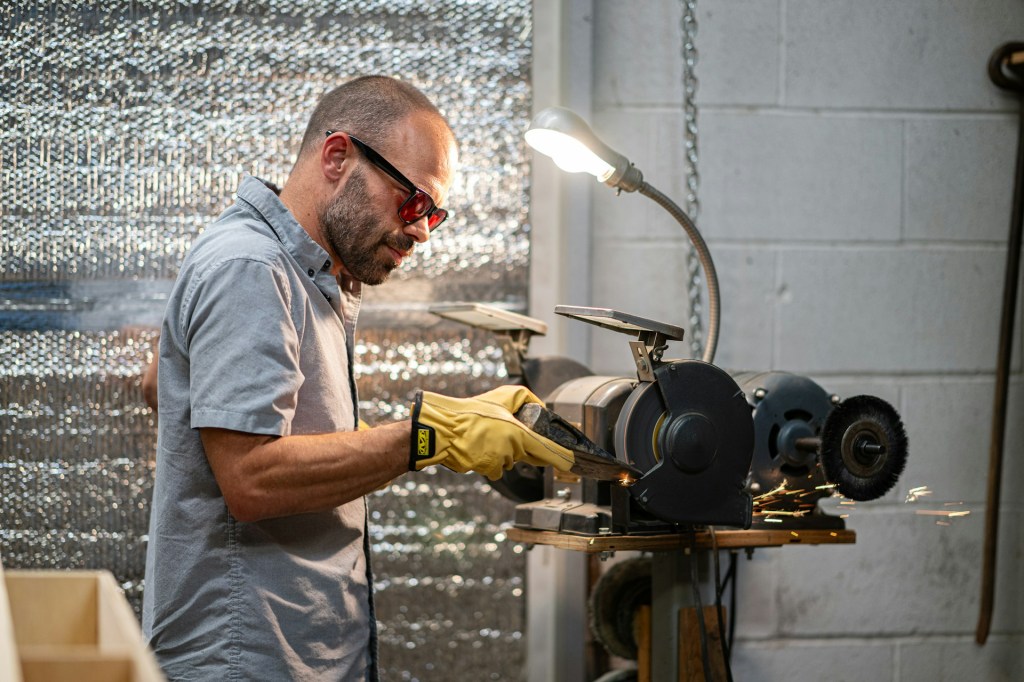
I am married to one of those men. He is amazing, He truly is a jack of all trades. He has a shop full of tools. He has backups for backups when it comes to being prepared. Now that you tube is available, he keeps expanding his knowledge. While I am inside writing, he is outside repairing pvc pipes on our rain catchment system.
I could continue to expound upon how much money we have saved because he doesn’t need to call a repairman. Having said all of this, even he had to face reality when he was caring for his mom with vascular dementia. He simply could not fix things for her. There were days that I observed as he applied every tool in his caregiver toolbox. He proofreads my blog. He listens to my lessons when I teach. He hears me counseling caregivers on the phone. He attends seminars with me. He has a vast amount of knowledge in this area. There are days that no tool works. You have to accept that it is in God’s hands and just be present and show love in any way you can.
Women, we face days that we just can’t fix it as well. I felt like a complete failure one day at my mother-in-law’s side while she was determined to get out of her hospital bed. She was a serious fall risk and was struggling with me as I blocked her way while calling for assistance. The dementia began to speak loud and clear in words I had never heard from her. She was kicking, shoving and doing her best to win this battle. She yelled this to me “you are the most demanding person I have ever met”. Instead of biting my tongue, I exhaustedly replied. “no, you are”.
Nurses arrived and I excused myself from the room and dissolved into tears. I tell all of you to remain calm and compassionate. There are times that it is very difficult. I knew she had always been used to getting her way. I didn’t expect the dementia to make determination her super power.
Men and women struggle. There will be days when you feel helpless and frustated. You have ridden and emotional rollercoaster that just never seems to stop. The ups and downs, the twists and turns have left you exhausted and hurting. You finally collapse into bed and tears fall. This is not the end. You must get up and go again tomorrow. The only thing I found that allowed me to keep going was to place the person I could not fix into God’s hands and then climb into those same hands so God could comfort both of us.
Each day of caregiving brings surprises through hearing words come out of a loved one’s mouth that shock you or losing your loved one who slipped out the door. Objects in your home may decide to hide in new places. A shoe may show up in the refrigerator. You are left with a choice to make. Try to correct the behavior or accept that today has brought a new adventure. Word of advice offered here. Trying to correct the new behavior is the wrong choice!
The only thing we can truly fix is our own reactions to the behaviors. If all dad will eat is ice cream, let him eat ice cream and try healthier choices later. If your wife refuses a bath, try again tomorrow. Choose your battles.
He gives strength to the weary and increases the power of the weak.
Song for Today
Prayer for Today
Dear God,
It has been one of those weeks where I tried to do things in my own wisdom and power. I so want to fix the behaviors and changes in my loved one. My heart is filled with pain while I mess things up and sit idly by. I need you to take control and give me the faith and peace to trust in you being in control.
Give me strength when I feel weak. I thank you for hloding me together when I feel as if I am faling apart.






























 Walking Them Home