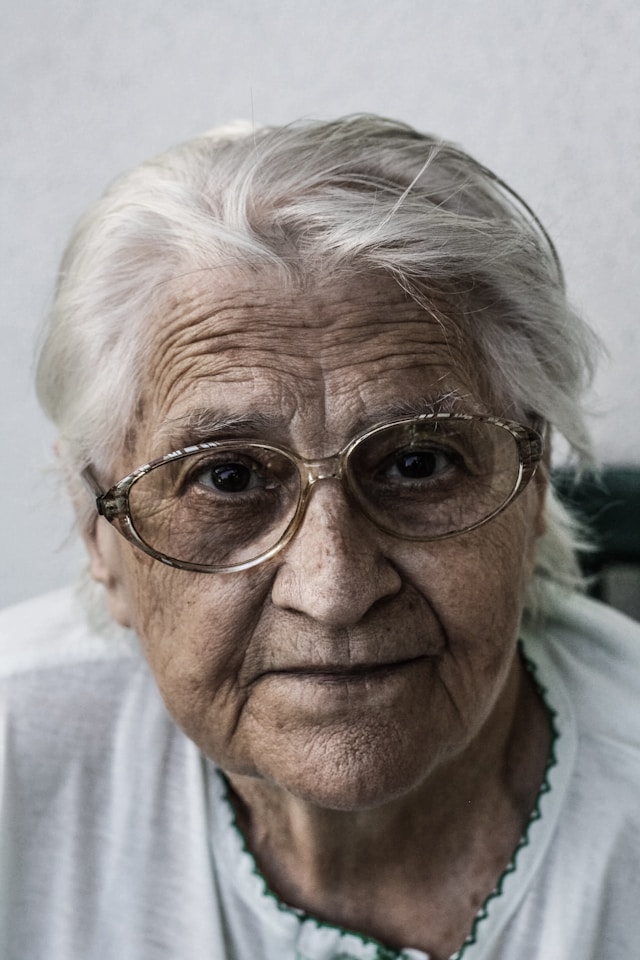
Physical Touch Matters

Tactile has to do with the sense of touch. Dipping your hand into cool water is tranquil. Think of your favorite memories involving touch. I have many. One was walking barefoot through a freshly tilled field and digging my toes into the warm soft dirt. Another was sitting on the sofa and rubbing my grandfather’s head. He loved this and would often request it. I loved him too much to ever say I would rather be outside playing. That same love connected us as he lay in a hospital bed and made the same request. I pulled my chair close and wondered how many times will I have left to express my love in his love language.

Alzheimer’s disease often robs people of their fine motor skills. Activities they once enjoyed become a struggle. Opt to put together puzzle with larger pieces rather than small ones. I was able to find puzzles adults can enjoy with a smaller number of pieces and larger size. I avoided puzzles labeled for dementia. The person may still be able to read and feel ashamed or embarrassed. Be sensitive to this please.

Ask them to assist you and assign them simple task that don’t really matter. Let them fold towels and washcloths. Let them match socks. If they get it wrong no harm is done. They still feel needed and productive. Just consider what they can do safely, and ask them to help.

In prepping food let them tear the lettuce for a salad. You chop the veggies and let them arrange them in a salad or platter.

When presenting food, peel their orange before serving it. Just think of what you would serve a toddler. This can be done in a way that preserves their dignity. Prepare your own snack to look like what you serve them.

My mom loved pretty clothes. She struggled with buttons and zippers in the early stages. This ususally happens later for most people. It depends where plaque forms in the brain. We moved to pull on tops and pants without zippers. That was quite an adjustment for her. Thankfully, the local mall had a store that carried a line of beautiful clothing the she liked and it laundered easily. Then one day we had to replace the beautiful clothing with simple gowns that made life easier for caregivers who had to bath and change her.

When someone has dementia they may forget what to do with a hairbrush, comb or toothbrush. This is when you need to offer tactile cues. Please visit the following link to see this demonstrated. https://www.dementiacarecentral.com/video/hand_under_hand/#:~:text=This%20video%20clip%20shows%20how%20to%20use%20tactile,are%20also%20important%20%28time%3A%201%20minute%2030%20seconds%29.

Another thing you may face is how to handle inappropiate touchs. I was volunteering one day and had a new necklace on. It was a large flower and I was so grateful I had it on. A gentleman approached me with his hands extended toward my chest. I quickly took his hands, moved them to my necklace and asked if he liked it. The nurse who witnessed this action hid a smile but her eyes were dancing. Later she complimented me on my quick thinking.

Physical touch can be accomplished with ease once you observe and find what is comfortable for the person with dementia. I often take hand lotion with me on visits. No one refuses a massage of their hands and fingers as I talk quietly with them and rub the lotion in. Often a hug is appreciated. Hug from the side when possible. Ask if they would like a hug. Remember the above story and be careful! Many times a person with dementia and their caregiver need physical touch to remind them they they are loved.

Ladies love manicures. You never know how much your kindness means.

Touch sensitivity can be lowered. This can make it hard to sense pain or temperature, which can pose potential safety risks. They may not realize how hot or cold an item is. They may not feel pain from a small cut. Pay attention to their skin.

I know a man who refused to shower. His daughter questioned him about why he wasn’t taking a shower. He finally admitted that he could not adjust the water temperature right. The simple solution was for him to ask for assistance in turning the shower on. After showering he could step out and ask for assistance turning the water off. He could have been confused about how to control the shower handles or he could be sensing the water temperature differently than he had before. Sometimes it takes a little investigative work to discover the real problem. Others may refuse to shower because the water hitting their skin feels different.

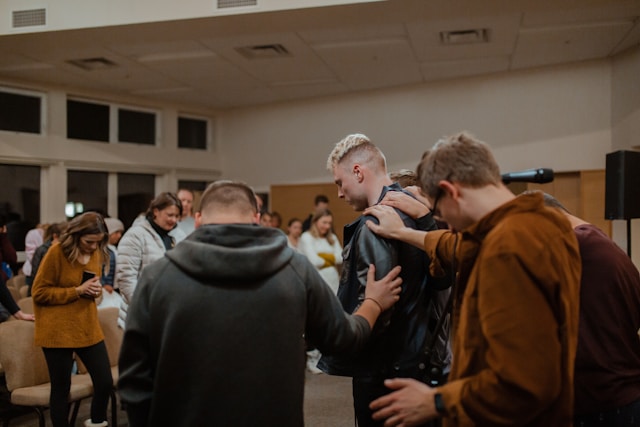
I cannot discuss touch without mentioning how important spiritual touch is both to the caregiver and the person with dementia. Turning to God is a choice the caregiver makes. Reminding the person with dementia that God loves them is so important. Listen to music, read the Bible together. Pray together. Allow friends and family to be included in these activities.
Word for Today

Colossians 3:12

Therefore, as God’s chosen people, holy and dearly loved, clothe yourselves with compassion, kindness, humility, gentleness and patience.

Song for Today

Prayer for Today

Dear God,

It is good to sing your praise. We join hands today and reach for yours. Touch our hearts and reassure that your love is eternal.

Amen
Visual Changes and Driving

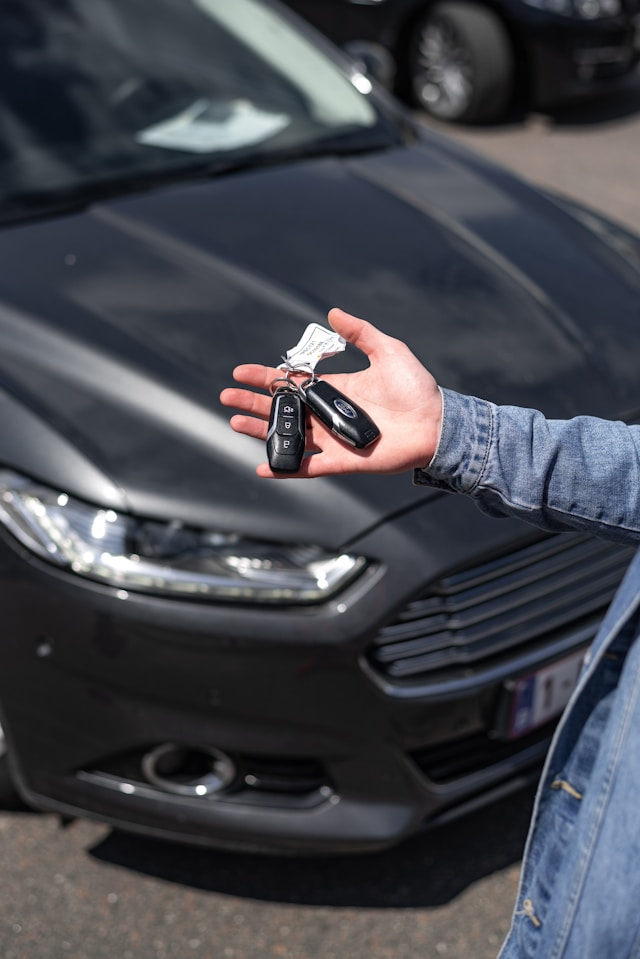
Before we tackle the issue of taking the car keys, we will explore why it is so critical to do it.

An abnormal build-up of proteins in the brain that kills cells and damages connections between neurons is a result of Alzheimer’s disease. Most people are aware of symptoms such as confusion, memory loss, personality changes and other kinds of cognitive decline. Some lesser known symptoms can include visual problems. Trouble areas are spatial relationships, narrowing periphial vision and depth perception. Some patients develop trouble reading, following moving objects, or have problems with contrast.

Driving requires having great vision. Imagine driving in traffic without having the ability to judge distance. Take away your peririphial vision. Stop at a red light with no depth perception. Now remove the abilty to read and process trafiic signs. I can see red lights and hear sirens in my head now especially having spent 22 years navigating traffic in a large city.

A fender bender would be a blessing. What if a child ran in front of the car and you did not see them coming. Could you live with the horror of hitting that child? No one wants that. The independence of an adult driver with dementia is never worth the life of a child. Take time to let this scenario to sink in. Now think about how fast this stress would escalate the person with dementia’s decline.

Getting lost is not the real problem. We can track phones and vehicles now. There may be hours of crying and praying but technology is available to help locate a lost loved one. Recently, I was traveling home from the city. Our farm is just ten miles from the state line. A car was moving at about 15 miles per hour in a 45 zone. Cars were changing lanes and zipping by. I slowed as I passed and glanced over. A white haired woman was looking around as if lost. I pulled over at a gas station. My plan was to get behind her and call 911 to come. Amazingly, she pulled over at the same station. I watched as she pulled out her phone. I slowly approached her car and tapped on the window. When she opened it she was already talking to her son. I asked if she was alright. She informed me that she was talking to Rick as if I knew Rick, I asked if Rick was her son. She said yes. I asked to talk to Rick. He informed me that his mother was supposed to be at a doctor appointment. I had him tell her to follow me and led her back to the appoinment.

She lived three counties away and was a few minutes from being in another state! God placed me in her path that day. When she never returned from the appointment, a family would be frantically trying to find her.

Hopefully, I have your full attention now. Take the keys for everyones safety.

There are things to consider now that you understand the visual changes. If a person tends to wander, this gives you knowledge. Place a black mat in front of exterior doors. Many perceive this as a hole and will avoid it. Add a lock at the top or bottom of the door. They tend to just focus on the handle. Paint the door the same color as the wall. It works as camoflauge.

If you go read the previous post on meals, the placement of food on plates may make more sense when you know that visual changes occur. To help navigation in your home declutter. Simplify decor to create a calmer enviornment for them.

Some visual skills may sharpen. They will read your facial expressions like a pro. Your stress will be reflected back because they can tell when you are angry or irritated with them.

They will see people and things you do not see. The woman in the mirror that she sees may not be her. She may think it is a stranger in the home. These things occur and it is their reality. Cover the mirror if it becames a huge issue. Agree that the non existing cat on the sofa is cute. My mother-in-law called to tell us a lion was in her flowers in her room. We thought maybe she saw the petals as a mane. The next day she called to tell us a fairy was dancing in the flowers. She was known to have delusions so we went to visit. Upon arriving she informed us a lady was in the flowers.

Promptly I commented that the flowers were drying out and needed to be tossed. We promised to bring new ones the next visit. I passed a nurse on the way to the trash can. She laughed when she saw me. She had been having to look for animals and people in that bouquet too.

If you just saw a monkey in the flowers, maybe you should get tested. Hey, I couldn’t resist. It is Saturday, and we all need a little humor.

Word for Today

Matthew 5:16

In the same way, let your light shine before others, that they may see your good deeds and glorify your Father in heaven.

Song for Today

Prayer for Today

Dear God,

I praise you for the many times I have seen you in my life. Your faithfulness remains the same as my life changes. Help me to trust more that you will be with me on the darkest nights and the brightest mornings. Help my loved one who struggles with dementia to always see you in the hearts and soul.

Amen
Are You Even Listening?

Did you think I was addressing almost everyone who has earbuds in or maybe teens with messy rooms? Oh, it could be applied so easily to these. My husband listens to podcast while working on our farm. He walks into the house and ignores me because he forgets to turn the podcast off. Nothing is more frustrated than feeling unheard.

When a person has Alzheimer’s disease they can still hear. It takes their mind longer to process the information. When speaking with them you should slow your speech down. Use simple language with words that are easier to understand. In a conversation wait and let them attempt to reply to you.

This will take an effort on your part to restrain yourself from moving at the pace you are used to. Many of us are already thinking of our response when someone else is speaking. Perhaps, having to break that habit will help us become better listeners. The person you are now communicating with deserves your full attention.

Spouses are guilty of answering for their husband or wife when with others. This is their attempt to protect their spouse from embarassment. It becomes second nature. It happens especially when other family members are around. That is why children are shocked when they finally realize their parent has mild cognitive impairment. Often a caregiver passes away first and the children scramble making decisions about the other parent’s care. They got blind sided because the disease had been hidden so well.

Pay attention when you sense the smallest mental decline. Take the parent you are concerned about out for a walk or drive and pay close attention to their communication with you.

It is a wonderful gift that hearing is not the first sense to go with Alzheimer’s because music becomes an amazing tool. Please watch this video clip. It shows you what words have a hard time explaining. Grab a tissue.

Music can be extremely effective with people who have Alzheimer’s. Choose the music you use carefully. Remember to use their preferred songs and artists. Make selections from decades ago. My mom was nonverbal. I taught my granddaughter a song that mom had listened to as a teenager. When my granddaughter got to the chorus my mom said a few syllables while smiling. We had a breakthrough and they connected. I will always cherish that memory.

Many pianist still have muscle memory and can sit down and play. While volunteering in a memory care unit one day, I heard hymns coming from a baby grand piano. I turned to see one of the residents playing with total contentment on her face. The director of the facility informed me that her husband moved their piano there when she moved in.

Loud noises will startle someone with dementia. It is absolutely vital for you to stay in the hospital room when the patient has dementia. Constant voices in the hall, staff going in and out, beeping machinery, and sirens outside create fear and only add to the confusion of being in a strange place. Your touch and voice can be reassuring.

They are always listening. Do not talk about them and their condition in their presence. Show respect and honor them. Never ask them a do you remember question. Instead, you could say I loved our vacations with the children to the beach. We had long strolls as the sunset and collectied seashells. The seagulls surrounded us when the kids threw them snacks. Just hearing the story may spark a memory in them. They may then join in the conversation. Taking a photo to share while you recall the memory would be nice.

Even when they tire and their eyes close, they may be listening. Just the sound of your voice brings comfort. Talk about football, dancing or whatever topic they once enjoyed discussing.

When giving directions keep it simple.

Wrong Way –

We are going for a walk. Put your socks and shoes on then, grab a jacket from the closet.

Right Way –

Here are your shoes and socks. Put your socks on. Now put your shoes on. Let me help you get a jacket because it is cold outside.

When you ask them to make a choice keep it simple.

Wrong Way –

What doe you want to wear today?

Right Way –

Would like to wear the blue shirt or the red shirt?

Keep in mind that mutiple auditory inputs at once definitely become noise pollution. You may be able to hear two conversations at once, but they just hear lots of noise and struggle to keep up. Avoid crowds and parties when this becomes an issue. Each day is a struggle in processing all they hear. They get exhausted. Be patient.

Word for Today

Luke 8:15

But the seed on good soil stands for those with a noble and good heart, who hear the word, retain it, and by persevering produce a crop.

Song for Today

Prayer for Today

Dear God,

I praise you for giving us the gift of music. Help us to use it to brighten the lives of our family member with dementia. Help us to create moments for them that produces joy and they still feel vibrant and alive.

Amen

Why Are Meals So Hard?

Two of the first senses affected by Alzheimer’s seem to be vision and smell. Today we will explore how this impacts meal time.

My mom lost her sense of smell years before other symptoms appeared. This did not affect her eating habits for a long time.

Then a healthy diet flew out the window. Suddenly sweets were all she wanted to eat. This was so strange because the same thing happend with my grandmother. My aunts would take candy to my grandmother. My mom would find the sweets and hide them. Her sisters would find them and then hide them somewhere else. They would take them out of hiding for their mom when my mom was not around. They called my mom the sugar police. My mom was trying to give my grandmother a healthy diet. Her sisters wanted to let her have whatever she wanted since she was not diabetic.

Who was right? I think both were. A time comes when you continuously make adjustments finding what they will eat and strive to find a balance. Mom loved peanut butter pies. I jumped on making them in bulk and freezing them for later. This was a way I could reduce the sugar and add more peanut butter. The cream cheese and peanut butter were adding protein. You keep trying until you find what works. You can slyly be the sugar police.

Later in the end stage of the disease mom was limited to pureed food and thickened liquids. She would often close her eyes when we tried to feed her. I noticed that she barely stuck her tongue out to touch the spoon. If it tasted sweet, she would open her mouth. If it was not, she refused to open her mouth.

I had an aha moment and asked that yogurt or softened ice cream always be with her tray. Many mouthfuls of beef stew, green beans and other items were dipped into the yogurt or ice cream. Don’t laugh. It worked.

When vision changes and a table is too busy with patterns or color, they have trouble distinguishing what is their food and get confused.

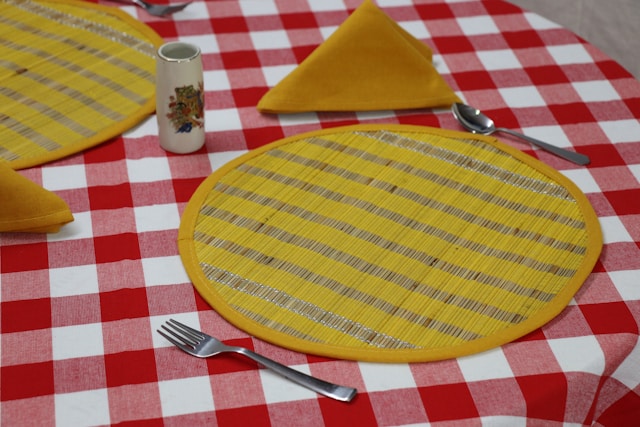
The images above will help you understand a little better. Vanilla ice cream fades into the white dish. Mixed colors and patterns can bring frustration. Most of us love presentation and a beautifully set table. Those with dementia do not. Look at the floral plate carefully. The flowers look very similar to cookies. Imagine trying to pick the cookie up. This could set off a tirade. No one wants a food fight. Imagine blueberries in a blue bowl or green plate with turnip greens, broccolli and asparagus. It would all blend when they looked at it.

Keep in mind that they may not always recognize what is food and what is not. Once we were at a Christmas party in a skilled nursing facility. Last minute guests arrived and handed gifts out to each resident. The gifts were bottles of shower gel. I warned my husband to help me watch the residents because the staff had their hands full. My husband leapt to his feet just in time to grab a bottle before a woman turned it up to drink! The gift givers had no idea that a pretty bottle could mean something good to drink.

When it comes to food, keep things simple. On a white plate for breakfast you could have bacon, eggs and strawberries. Each could easily be seen. They may be calmer and eat more.

You can use essential oils such as citrus to stimulate their appetite. Play calm music softly in the background. Create a peaceful atmosphere and do not rush through the meal. Avoid large family gatherings when you notice that the stimulation is too much.

You will reach a point that using silverware is a challenge. Cut their meat before presenting their meal. If they have essential tremors or tremors from Parkinson’s Disease, you can find weighted silverware that helps stablize their hands.

When using silverware is not feasible, offer finger foods. Cut sandwiches into quarters. Other suggestions include fruit, vegetables and maybe a dip to make it more enjoyable. As I stated earlier, you will make adjustments as the disease progresses.

Just in case you are feeling the weight of how things will change, I have included a cool finger food idea. Yes, this is a child; however, if it gets healthy food down, go for it.

You will need to educate yourself about pureed food and thickened liquids in case you need to know about it later. People with Alzheimer’s can develop swallow issues in the last stages. I will try to expand on this in a later post.

Amazon has some weighted silverware. I have also found scarfs that snap in the front and act as bibs. These are beautiful and help preserve a little dignity. Amazon and etsy sell these but if you sew, they can easily be made. Print a card for dining out to hand your server explaining that your loved one has cognitive decline and you will order for them. This saves awkward and embarassing moments for all involved.

Since we are talking about meals, I have a kitchen tip. Place a placemat or piece of cardboard over your drawer that has knives. They will not look underneath by the time it is dangerous for them to safely use knives. If you find it necessary to unplug your stove, an electrician can install a switch out of their sight.

I smell my dinner now and it smells wonderful so I am wrapping this post up with a thankfulness for having an intact sense of smell.

Don’t get discouraged! You have got this under control. Together we an be the best caregivers ever.

Word for Today

Proverbs 16:24

Gracious words are a honeycomb, sweet to the soul and healing to the bones.

Song for Today

Prayer for Today

Dear God,

I get caught up in worrying and fretting while being a caregiver. Guide my steps and give me wisdom to face the task at hand. Help me to remember that gracious words are sweet to my soul and healing to my bones and the loved one I care for.

Help me to accept that changes will come and as I grieve during the process and I know you will catch my tears and hold me in the palm of your hand.

Amen

Humorous Moments Lighten the Load

Sometimes stress can get really heavy when you are a caregiver!

We can learn to see the humor in things. You never laugh at a person. You laugh with them or at a later time with friends or family who understand the difficulties you face.

When you are awakened in the middle of the night and asked “What are you doing?”. It doesn’t seem funny. Your fuzziness clears as your dad wants to know if you had decided to take a nap too. He is very cheerful and explains that he took a nap, showered and was headed to the dining room for dinner. I told him to go open his blinds and look outside. He replied,”oh my it is so dark”. I then told him his clock might say 3:30, but it is actually in the morning, not the afternoon. I then told him to go back to sleep for a bit. He informed me that he was wide awake.

I hung up the phone and called the nurse station at his assisted living facility and requested sometime pay dad a visit and encourage him to try to go back to sleep. I then complained to my husband and tried to go back to sleep myself. After a few more hours of sleep I could smile about the whole thing.

My dad had become urniary incontinent. He had always been a sharp dresser and cared about how he looked. I struggled with how to handle this situation while allowing him to keep his dignity. One Sunday he went to the bathroom and returned to the service. He was wet and he smelled. I tried my best to get him to the car, but dad was very talkative and an extreme people person. I know that smelled him.

My husband asked to handle the situation. He took my dad aside and commented that dad had always looked nice. He mentioned that perhaps dad didn’t make it to the restroom fast enough sometimes. He suggested that if dad would wear depends he might be able to hide this from everyone. People would not know and dad might not smell of urine. Dad agreed. They bought depends.

The next week I got a call that surprised me. All of my apprehesion about talking to dad was for naught. Dad had walked into my aunt’s home and proudly announced that he was wearing depends and they were wonderful. A sigh of relief crossed my face. After hanging up the phone I had a good laugh.

The next story actually involves a phone call. I got a call. The id let me know it was from my dad’s phone. He immediately let me know that his phone was not working. I asked him whose phone he called me from. He told me it was his phone. I asked what the problem was only to be told “I told you my phone is not working”. I realized this conversation reminded me of the following:

Costello: What’s the guy’s name on first base?
Abbott: No. What is on second.
Costello: I’m not asking you who’s on second.
Abbott: Who’s on first.
Costello: I don’t know.
Abbott: He’s on third, we’re not talking about him.

I laughed to myself and assured dad that I would come over right after lunch to check his phone. He was happy and so was I.

How do you not act surprised when a woman would get mad at her husband and throw a glasse of water at him? A friend discovered her dad had used her yeti cup to relieve himself while waiting for her in the car. What do you do when you find your clothes folded and placed in the kitchen pantry? You laugh or you cry. Choosing laughter is better.

Sometimes you cause others to laugh as they watch you deal with behaviors. Sometimes you laugh watching them deal with behaviors. I remember sitting in a hospital room with someone who ate an entire bowl of chocolate ice cream with the nurse handing them pills to swallow between bites. Satisfied that the medication was administered, the nurse turned her back. I watched as the woman promptly spit all six tablets out. After realizing she had mastered the art of cheeking pills, I then wondered how many times she had done this. My humorous thoughts about her talent dissapated as the horror of how much missing her medications had excellerated her behavior problems, falls and mental decline.

Remember it is okay to laugh as long as the person you are caring for is laughing with you. When my no nonsense mom peeked until the table giggling and waving at me I had to laugh. Her frostie had been dropped and I had climbed under the table in front of everyone to recover it. Just as I started to climb out quietly, she began to act like one of my young grandchildren. So much for sneaking out quietly and hoping no one had seen me. Hopefully, some one dealing with a parent with dementia learned humor is a great coping skill that day.

When you are out in public and your parent’s pants fall to their ankles, simply smile and pull them up. When someone with dementia reachs over and takes your ice cream, let them have it. Laugh at the calories you just skipped.

Humor is in fact a tremendously helpful coping skill. If you find something funny, don’t feel guilty.

I mean no offense to anyone but maybe God laughed as he created a platypus, an ostrich or a giraffe. As our creator, he has given us creativity. Use it to make life easier when you can.

Word for Today

Proverbs 17:22

A cheerful heart is good medicine, but a crushed spirit dries up the bones.

Song for Today

Prayer for Today

Dear God,

Thank you for giving me creative ideas as I navigate caregiving. Help me to choose to laugh and enjoy life when I can. Guide me as to when laughter is appropriate and when I need to be sensitive.

Amen

A Grateful Heart

“God’s grace is the bridge that carries us from our brokenness to His wholeness.”

When you love deeply, you risk facing brokenness. As a caregiver you dig deep into your well of love to shower on someone else. That love is not always recipocated or recieved. The bible talks about wells that were dug. The enemies of Abraham filled the wells with dirt. Later when wells were dug, others claimed the wells as theirs. God has always provided when the enemy attempts to destroy. The deep well of your love is critical to guard from the enemies attacks so the love pouring out of it is pure and refreshing to others.

A crack in your heart begins the first time a family member shows behaviors toward you that you never have seen before. A kind and generous father may become angry and say and do things that you never thought you would see. Your childhood hero has transformed into a demanding and selfish person. Keep in mind that your hero is still there. A nasty disease has reared it’s ugly head. You have to allow God to sew a stitch in the crack of your heart and reach deeper to love while you yourself are hurting. I know that as I have hand stictched the binding onto quilts for each of my grandchildren I thought of them and prayed for their lives. Imagine the grace and love God is stitching into your heart with each stitch He sews.

As Alzheimer’s progresses you will see a person’s life going in reverse. I was watching a parent become incontinent at the same time a grandchild was being potty trained. With the grandchild, it was exciting. First steps toward independence were being taken. We would assist as they mastered their new skill. Cheering them on was fun as we saw their excitement. Assisting a parent or spouse brought sadness as their independence was being stolen away. You tried to preserve their dignity. You went shopping for depends with a sadness inside.

Sitting by my mom’s side and spooning yogurt into her mouth was done with vast amounts of love. We had now truly reversed roles. My heart was filled with gratitude for the woman who had tended to my needs for so many years. The memories I had were not always wonderful, but thanking God for the great ones and forgiving for the few ones that were not so good allowed me to heal. A healed heart and a grateful heart hold so much more to be poured out. God sewed the gaping hole together so I could pour love more freely.

I was at my dad’s side when he grew confused. He had oxygen tubing in and was irritated by it. I reached to adjust the tube after he removed it. He grabbed both of my wrists and cursed. I calmly reassured him that I would take it off for a while and then exited the room. My heart was breaking because I had never experienced that behavior or heard those words come from his mouth before. A protective relative followed me out. She was quite angry at my dad. Tearfully, I told her this was not my dad. This was a man whose cognitive decline were acting and speaking. God had allowed me to keep loving my dad as if this event had never happened. God had reenforced the stitched seams as the event unfolded.

A day will come when someone looks you in the eye and doesn’t know who you are anymore. That is when it feels like your heart rips in half. It hurts intensely as the hard truth sinks in. You may have to retreat to a quiet place for God to heal your heart and then recover slowly. Day by day you will feel strengthened as you pray and rest in God’s peace. His Intensive Care Unit is outstanding. When you exit and are ready to face the task at hand, you will have a grateful heart filled with overflowing love once more.

Day by day God will hold your heart in his hands.


Word for Today

Colossians 3:16

Let the message of Christ dwell among you richly as you teach and admonish one another with all wisdom through psalms, hymns, and songs from the Spirit, singing to God with gratitude in your hearts.

Song for Today

Prayer for Today

Dear Heavenly Father,

You amaze me with your healing and forgiveness. Teach me to forgive when others misunderstand or reject my love. I am guilty of wanting to quit loving as deeply as you ask of me when I am hurting. Tenderly hold me and restore me so that I can pour love out to those who are depending on me to meet their needs. I want to serve with a heart of gratitude.

Amen

Welcome to Our World

I read a news article today about what happened to our brains after living through the recent pandemic. Studies have been conducted about this and results are being presented. I just have to share a quote from the study with you.

“But we believe the cumulative stressors of the pandemic — such as prolonged isolation, disrupted routines, reduced physical and cognitive activity, and economic uncertainty — likely contributed to the observed brain changes,” Mohammadi-Nejad

We all know what it is like to experience all of the above for many years at a time as caregivers. How have we even survived? We have shown excellence in beating the odds and have God with us. We must be better equipped than most. ( Not judging…just observing).

Yes, this may sound snarky and uncaring toward those who struggle. I am venting and letting off steam for all of us who have learned to keep going when things are extremely difficult. Life can be very challenging and sometimes the ones who whine the loudest get all of the attention. Most caregivers I know are too busy to whine. We are equipped because we keep striving and learning. We fall on our knees when we are overcome and feel helpless.

Seriously, we do live in a world where isolation, stress, interrupted schedules and chaos can be the normal for many years as the person we care for is losing ground and we live in a state of flux where flexibility is critical. Please know that you are doing incredible things in a challenging situation. I would not wish this burden on anyone. Truly it is the heaviest one I have ever tried to survive. It was only when I chose to see caregiving as an act of love that I could see the positive side. It was only when I admitted that I didn’t have all of the answers that God became my guide in everything.

Our pandemic is known as Alzheimer’s disease. We have no vaccines. We sometimes feel abandoned because people fear the unknown. We do have others caregivers living in our situations. We are not alone! We have God and we have each other.

Word for Today

Ephesians 4:2

Be completely humble and gentle; be patient, bearing with one another in love.

Song for Today

Prayer for Today

Hello God,

It is me again just taking time to acknowledge you. When life is hard and I continue to press on, give me strength and people to stand with me. I thank you for allowing me to view caregiving as an act of love. You are my counselor, provider and comforter. You are the hope I stand on.

Amen

Inviting Help to the Caregiving Party

Communication has changed drastically and we still have not developed the skills to use it with effectiveness.

When I was younger we had a home phone that was on a party live. Due to limited resources in rural areas , Bell South provide service that connected several homes. Each family was assigned a certain ring. If anyone on the party line was talking, it prevented anyone else from using the line. Then any neighbors on your party line could ease their phone off the hook and ease drop. Gossip spread fast.

Prior to having our own line, my high school sweetheart, who later became my husband, would call and call only to get a busy signal for hours sometimes. When he finally was able to reach me, he would often detect someone picking up and listening. He would usually make weird remarks until they hung up. As I stated earlier, you have so many of avenues of communication now that my party line sounds like an extinct dinosaur. I gladly adjusted to new technology and appreciate the convenience.

This week I recieved a text with an evite attached. A cousin had sent it and asked me to send it to others for her. My phone then started getting texts with questions about the event. My thoughts were, “Hmm, I sent the evite as asked, but obviously no one paid close attention as they scanned one of their large number of text that day.” Had they carefully read the evite they would see I was just the messenger and not the host that could answer their questions.

People have so much communication flowing today that they often miss important details. Can you imagine how full the skies would be if everyone used a carrier pigeon for every text, call, facetime sessions and emails? Oh, I forgot to include instagram, tiktok and others.

Effective communication takes thought. Way too often, we fire off a quick text that gets taken the wrong way. The most effective communication is looking into someone’s eyes and watching their facial expressions. Men can be read easier if you know what to look for. A smile accompanied by tightened jaw muscles betrays their true feelings. Caregivers learn to calm themselves before talking to someone with dementia. We should practice this same hesitation and take time to phrase requests for help in a way that will be recieved correctly.

Caregivers find it neccessary to send invitations to join their caregiving party when overwhelmed. This invitation might be ignored. It might offend someone. It might lack the appeal to tempt some to accept. What would you even say? Let’s give it a try.

Dear Family Who Are Too Busy Too Care,

I am drowning over here. The dishes are piled in the sink. Laundry sits in baskets waiting to be done. The grass needs mowing. Mom has hidden my keys and her glasses today. She has 2 doctor appointments next week. We are nearly out of groceries and I am exhausted.

Would you like to drop by some day to help?

Wrong approach! Do not expect help from this invitation. This approach will not work. Expect criticism on your ability to handle things. Expect judgment about your complaining and whining. When communicating with family and friends, remember you will have to take a deep breath and carefully choose your words. Don’t just hint that you need help. When hints aren’t effective you will end up frustrated. Stating that you need help can make you feel guilty. It is hard to admit that you are struggling. It is hard for family to not get defensive because they feel guilty for not helping more.

After praying for wisdom and seeking God to prepare hearts, attempt an honest conversation with the person you are asking to help. Tell them your concerns and ask for possible solutions. Try something like this.

“Jane, mom has a cadiology appointment next Tuesday at 2 pm. My car needs an oil change and I really would like to get my hair cut. Could you please take mom for me? Even better, I will take mom and let you come for a visit on Friday from 1-4. She would love singing with you and I could schedule a haircut, get the oil changed and bring dinner home for all of us to enjoy. Which might work best for you?

It is alright to share that you are exhausted. Explaining the changes in behavior you are dealing with and a lack of sleep due to your loved one roaming at night might help your family have a clearer understanding of how difficult caregiving is.

Communication is vital for families who have someone with dementia. Find time to meet together. The quote below sums up effective communication.

“You can talk with someone for years, everyday, and still, it won’t mean as much as what you can have when you sit in front of someone, not saying a word, yet you feel that person with your heart, you feel like you have known the person for forever…. connections are made with the heart, not the tongue.”
― C. JoyBell C.

Take a break. Make a list of things you need help with. Decide who can help you. Carefully word your request and doing it over a cup of coffee may help. Choose your timing.

I know you are the one overloaded and should not have to make the request. I have been in your shoes. Don’t hold a grudge against others for not just seeing your need and offering their assistance without the ask. Everyone is wired differently.

Be blessed and pray for God to order the steps of others to come your way. Your most important communication will always be with God.

Word for Today

Moses had been given the task of being a leader over a nation of many. You have been given the task of leading someone on the path of Alzheimer’s and God’s words spoken to Mose can be applied to you.

Exodus 4:12  “Now go; I will help you speak and will teach you what to say.”

Song for Today

Prayer for Today

Dear Heavenly Father,

Here I am again feeling frustrated and exhausted. Forgive me for getting angry and hurt when family and friends abandon me in the task of caregiving. Teach me how to ask for their help. Prepare their hearts to hear my request. Let my communication be spoken with love and not sound like whining and complaining.

Amen

When the Dam Breaks

Today you will learn a bit more about me and my caregiving journey. The photo above is of a dam near my home. There is a history about it that I am sharing to help you better understand my own story.

According to my research over 50 men died during the construction of the dam. A local business has photos taken during the construction and stories I heard from family were that a few of the men fell and were buried in concrete.

The Wilson Dam was constructed in between 1918 and 1924. The shoals on the Tennessee river were difficult to navigate; hence,the dam was an attempt to tame the river. Today it produces power for the Tennessee valley. Families travel over the dam, power their homes and enjoy water activites without knowing the price some men paid.

I realized one day that I too had built a dam to try to control the turbulent emotions that being a caregiver had produced in me. To be strong, I buried pain and grief so that I could be an effective and loving caregiver. My mom had Alzheimer’s. It hurt me to the core watching her fade away. I was hurting so badly that I didn’t even realize that my dad was losing some cognitive ground as well. There was not enough time to process the changes. I shoved the fear, anxiety and heartache aside on the days that I didn’t take time to lay it at God’s feet.

When my mom died, I was not overcome with debilating grief. Dad needed me and I thought that the gradual grief that occurred as I lost bits and pieces of my mom must have left few tears to shed. Then my dad passed and I felt grief, but it still seemed like a wave of extreme grief would hit but it didn’t immediately.

Time passed and tsunami waves did begin to wash over me. Life isn’t always easy, so I shook the water off until other situations in life rattled me. I thought I was doing better and that I had given things to God.

One day out of the blue, a trigger hit. The patches I had applied to the dam could only last so long. When the dam broke, I broke. All of the stuffed emotions rolled over me. As I gasped for air, God used my husband to hold me and just let me cry.

Have any of you been building a dam to hold back your river of emotions? Many of you are dealing with unforgiveness over things in your past. Some of you have regrets that you didn’t choose to lay some things aside and make visiting your loved one a priority. Perhaps you live in fear of getting a terminal illness yourself. Do words run through your head that you wished you had said?

If your loved one is still alive, go and take care of things hidden in your dam. If you feel the stress and see fractures in your dam, find a place to hide and let emotions go. God is a great listener. A friend of mine felt like a pressure cooker and felt she had no place to let off stem. She visited the ocean and slipped out for an early morning walk on the beach. With no one in sight, she faced the ocean and yelled. The ocean sounds covered her voice, but she walked in peace.

Burying your emotions is only a very temporary solution. I understand that you have to be strong until a crisis is over. I encourage you to monitor your emotions. You will reach a point of needing to let steam off. Find a friend you trust and talk it out. Do not be guilty of allowing your spiritual, physical and mental health to suffer. I ignored a health issue for way too long, almost too long. Unusual circumstances happened in the year that my mom passed away. I had to slow down long enough to address a health issue. A surgery and biopsy revealed cancer cells that were caught just in time.

Grief can ease as we replace it with thankfulness for having a person in our lives that we were so blessed to have known. God has healed my heart in a way that no person could. I still miss my parents intensely.

Word for Today

 The Lord thy God in the midst of thee is mighty; he will save, he will rejoice over thee with joy; he will rest in his love, he will joy over thee with singing. Zephaniah 17:3

Song for Today

Prayer for Today

Dear Heavenly Father,

I praise you that you are a refuge I can run to when I feel the weight of the world on my shoulders. You are faithful to bear the load I carry. There are days when I understand the outpouring of psalms that David wrote. They are often extreme words of thanksgiving or sobs of a broken heart. You hear my words that flow from me.

Heal and restore me so that I can continue on. Touch my tired body. Renew my confused mind. Give me hope as I face trials. When I am guilty of hiding my emotions, you are searching my heart and waiting for me to simply pour it out to you.

Thank you for loving me.

Amen

What Happens Now?

Graduating from being a caregiver is much like graduating from high school. The vast difference is you are wiser and well seasoned with life experiences.

When you graduate from high school you leave the close knit group of friends filled with hopes and dreams. A whole new world awaits for you to explore. You are excited and a bit afraid of stepping away from the familiar.

A caregiver has usually had their adventures of youth and is in the midst of following their dreams for the golden years.

Then unexpectedly your world shrank and your dreams were shattered by a disease called Alzheimer’s. Friends slowly faded away and your focus became narrrower and narrower. You found yourself in a new role of supporting someone who once was strong. One long day followed another as both of you adjusted. Sometimes you gave up hobbies and activities. Sometimes happiness was replaced with doubt, loneliness, heartache and confusion. Many days you answered the same question over and over.

You eventually made adjustments. You discovered your strengths you didn’t even know you had. You poured love out knowing the person you loved could feel it, but didn’t have much left to express their love to you. A smile or twinkle in their eye was enough on the rare days this occurred.

I know men and women who gave of themselves for years to their spouses. I am one of those children who had to become the caregiver of my parents even when they no longer recognized me as their child. Then the day comes that you say goodbye. Tears flow and hearts break. The life we have known ends and we are left picking up the pieces of our heart and trying to move on. Clothes and possessions have to be collected and dealt with. Small things trigger the waterfall of emotions. For me, I was cleaning out of my parents house . A guest room had a small bowl of potporri. As I poured it into a trash bag the scent of mulberry overwhelmed me. Mom’s favorite scent hit me hard. My husband came looking for me and held me as I sat down and cried. There is a season of readjusting.

Instead of being a senior in school you are a senior in life. You are dumbfounded in trying to process who am I now and where do I go from here. Finding your new role is not always easy. Take your time and pray about your next steps. Explore nature. Reconnect with friends. Try a new hobby.

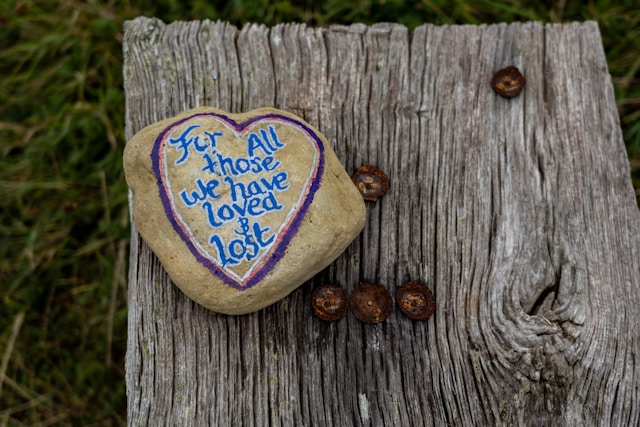
Perhaps, a wiser and more mature you still has lots to offer to the younger generation. I thank you for the tremendous and valient effort you put into being a caregiver. You are worthy of being recognized as a hero. Only God knows your heart and only God can heal your pain. You will hear the words “well done my good and faithful servant” one day. While waiting, accept my virtual hug.

We will always remember the years of caregiving and the friends we made along the way. Much like climbers on Mount Everest, we struggled, we became stronger and have earned a rest.

Word for Today

Isaiah 49:13

Shout for joy, you heavens; rejoice, you earth; burst into song, you mountains! For the Lord comforts his people and will have compassion on his afflicted ones.

Song for Today

Prayer for Today

Dear God,

I thank you for the strength, compassion, and tender mercy you poured into my life during the caregiving years. Day by day you gave me the determination to be the best caregiver I could. You comforted me when the days were hard.

Today I ask that you give me opportunites to encourage caregivers around me. Remind them that they are loved and not alone.

Amen